Every cartridge tracked. No more guessing.

One control unit tracks remaining resource on every cartridge in a filter system, calculated from real water usage, and flags temperature, pressure, or salinity conditions that damage filters before anyone notices.

Talk to us about a pilot
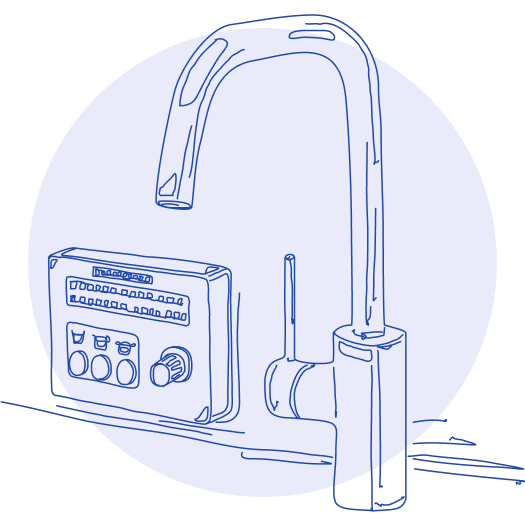
Illustration of a smart water filter connected to a phone app

About the Product

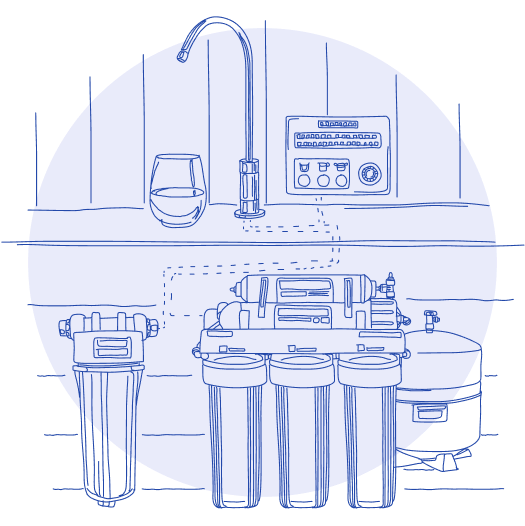
Diagram of the cartridge-resource tracking device

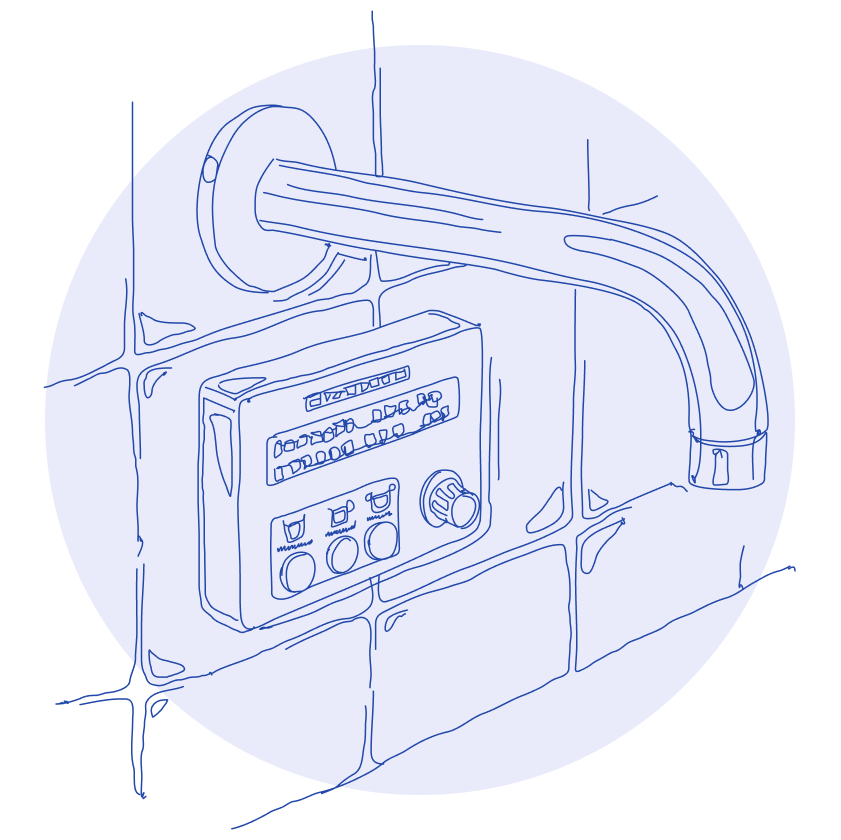
The control unit pairs a color display and a rotary encoder with a wireless sensor block over a 2.4GHz link, so the readout sits on the counter while the sensor stays inline with the plumbing. It tracks remaining resource per cartridge, calculated from real flow statistics and each cartridge’s rated capacity in liters rather than a fixed replacement calendar, and works across cartridge models from multiple vendors.

The hardware has gone through four generations: a two-board transmitter/receiver pair, two single-board redesigns, and a color-display revision now getting a full firmware rewrite. Years of real usage logs back the resource calculations.

Problem Solutions

Illustration of a water filter problem solution 1

Cartridges get replaced by guesswork, not by how much water actually passed through them

Cartridges get replaced by guesswork, not by how much water actually passed through them

Each cartridge has a rated capacity in liters. We calculate water actually processed from flow statistics and the install date, then flag replacement when the liter budget or the vendor’s shelf life runs out, whichever comes first.
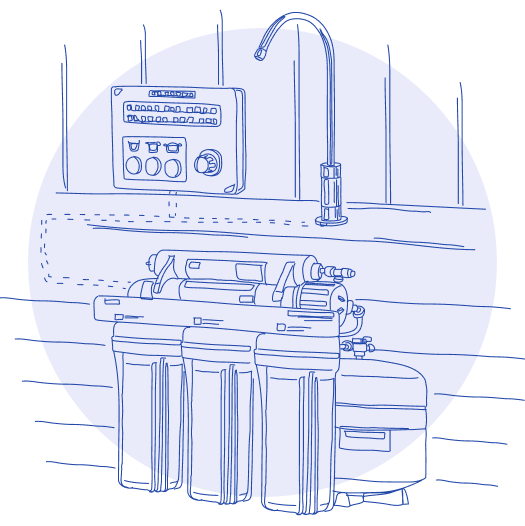
Illustration of a water filter problem solution 2

Multi-filter systems make it hard to track more than one cartridge's resource at once

Multi-filter systems make it hard to track more than one cartridge's resource at once

The control unit tracks every installed filter’s resource independently and shows all of them on one screen, so a reverse-osmosis stage and a carbon pre-filter don’t get replaced on the same schedule just because that’s easier to remember.

Illustration of a water filter problem solution 3

A temperature swing can damage a membrane before anyone notices

A temperature swing can damage a membrane before anyone notices

The sensor block reports water temperature continuously. Five consecutive readings above 38°C or below 3°C trigger an alert that the membrane may already be damaged, instead of finding out at the next scheduled inspection.

Illustration of a water filter problem solution 4

A dry feed line or a pressure spike can go undetected until the tap runs dry or the filter fails

A dry feed line or a pressure spike can go undetected until the tap runs dry or the filter fails

Feed pressure under roughly 0.3–0.5 bar reads as no incoming water; above 12 bar reads as dangerously high. Both trigger an alert instead of silent equipment damage.

Illustration of a water filter problem solution 5

High-salinity feed water shortens a membrane’s life with no visible symptom until performance already dropped

High-salinity feed water shortens a membrane’s life with no visible symptom until performance already dropped

A TDS sensor on the feed line tracks salinity. A daily average above 850 ppm flags reduced membrane service life before performance actually drops.

Illustration of purchasing the smart water filter

Four hardware generations and years of real usage data back this. We’re looking for a manufacturing partner or an early customer to take it from working prototype to a production run.

Talk to us about a pilot